
An Always-On Program’s Best Month Is Not a Campaign Win
You’re reading a strong result from an ongoing content program framed like a campaign win. Here’s how to tell the two apart and what the number really means.

You’re reading a strong result from an ongoing content program framed like a campaign win. Here’s how to tell the two apart and what the number really means.
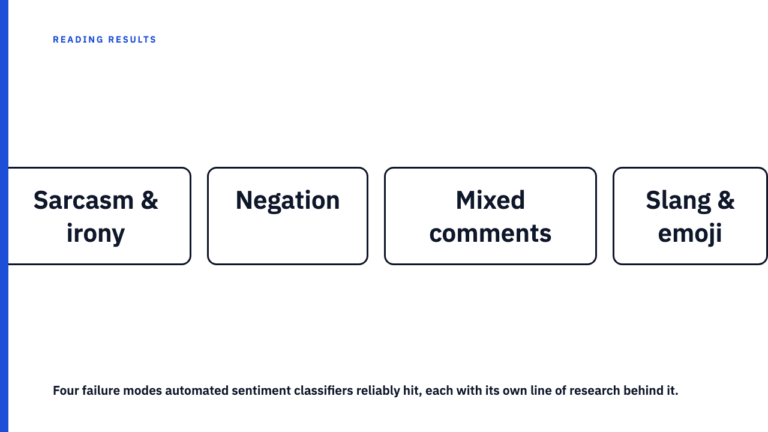
A high sentiment percentage in a case study often comes from a classifier, not a human reader. Here is what those tools get wrong, and why it matters.
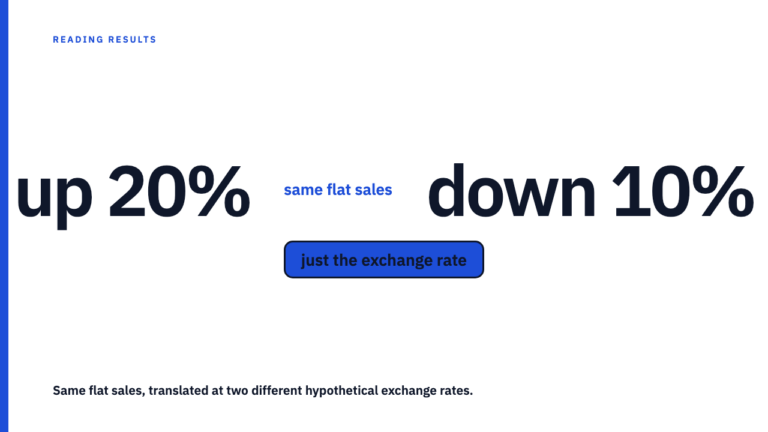
When results from other countries get reported in one currency, an exchange rate swing can inflate the growth. Here is the check readers can run themselves.
A platform’s demographic breakdown is a statistical guess from account signals, not a survey of who actually engaged. Here’s how to read it correctly.
A pilot’s volunteers differ from your full audience before the campaign starts. Here’s how to spot self-selection bias in a case study’s tested group.
Platforms disclose filtering invalid traffic from their own billing numbers. Here is how to tell if a case study’s impression count got the same treatment.
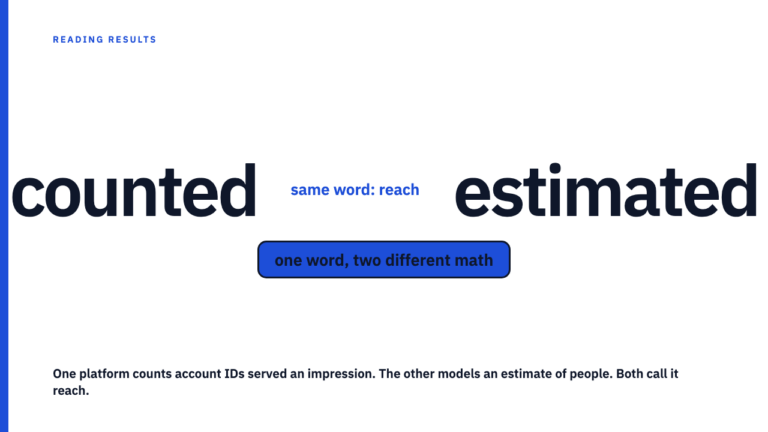
‘Reach’ is not one metric. See what each platform actually counts behind that word, so a cross platform case study cannot pass off two units as one number.
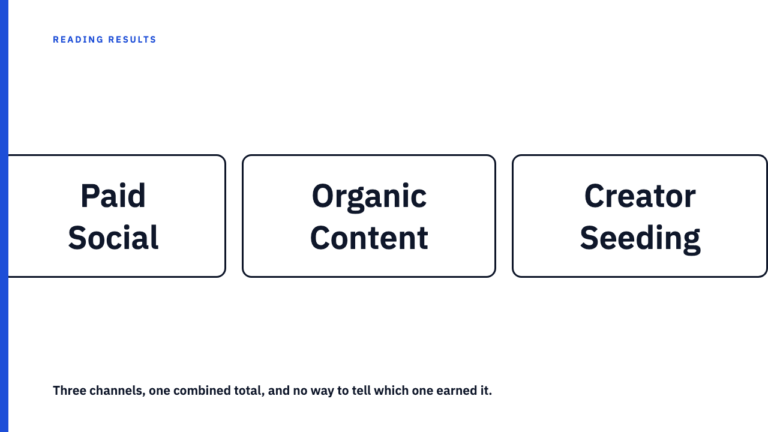
When paid, organic, and creator seeding run together, one headline number can’t tell you which channel worked. Here is the breakdown to ask for instead.
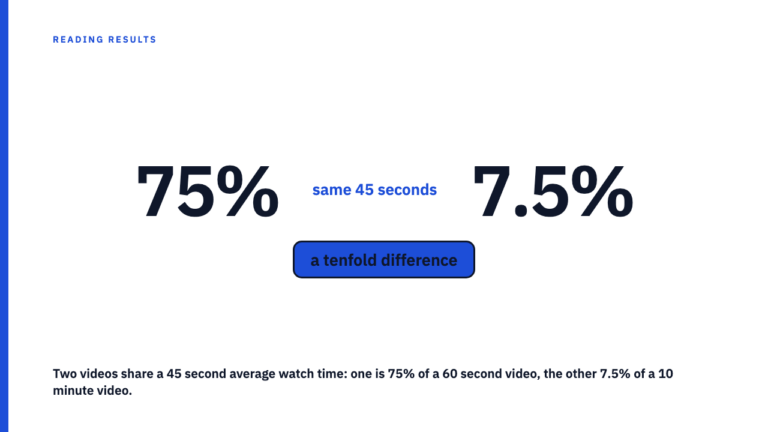
An average watch time number means nothing on its own. Here is what to check before crediting an edit or a hook for a duration figure in a case study.
Most case studies compare before and after. The strongest ones hold a comparable group back. Here is what makes a holdout test credible, not decorative.